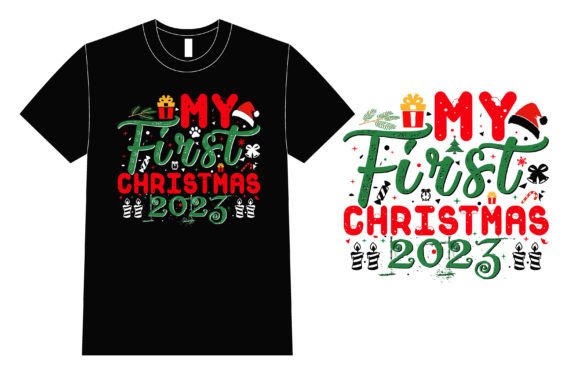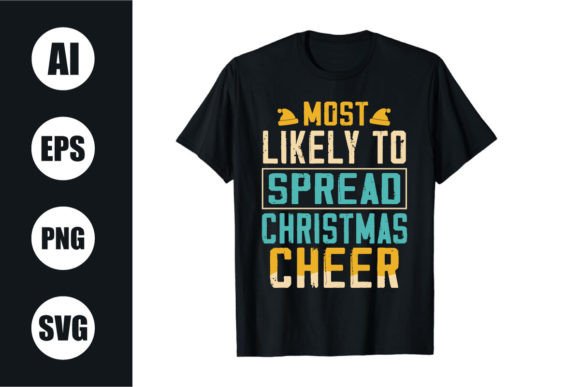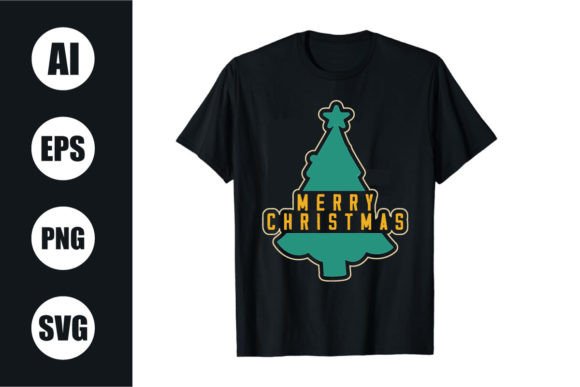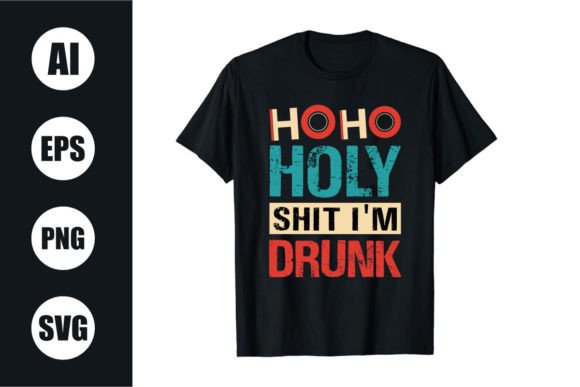
Christmas T Shirt Design 96: A Designer Review
As someone who has spent years navigating the intersection of digital art and physical thread, I approach every new asset with a critical eye. When Christmas T Shirt Design 96 landed on my desk for evaluation, I wasn't just looking for a pretty picture; I was looking for a viable solution for my upcoming holiday production run. The description promises a vintage, creative graphic featuring unique typography, which immediately signals a specific aesthetic niche. But how does this translate from a screen to a stitch? Let's dive into the practical realities of using this design in real-world embroidery projects.
The First Impression: Vintage Typography Meets Holiday Cheer
At first glance, Christmas T Shirt Design 96 exudes a nostalgic charm that is currently trending in the handmade market. The blend of vintage typography and creative graphics suggests a piece that feels curated rather than mass-produced. For an Etsy seller or a small shop owner, this visual personality is gold. It moves away from the generic red-and-green clichés and offers something with character. However, as a designer, my immediate concern is always the complexity of the lines. Vintage styles often rely on distressed edges and intricate lettering, which can be tricky to digitize effectively without losing definition during the stitching process.
The mood it creates is warm and inviting, perfect for a boutique product line or personalized gifts. If you are planning a collection of custom apparel or holiday decor, this design fits naturally into a narrative of craftsmanship. It feels like something that would look stunning on a heavyweight sweatshirt or a canvas tote bag, where the texture of the fabric complements the vintage vibe of the graphic.
Real-World Application: From Screen to Stitch
Imagine you are preparing for a busy holiday craft fair. You need a tote bag design that stands out among hundreds of other vendors. Christmas T Shirt Design 96 offers a strong silhouette that could work beautifully here. The key lies in how the typography interacts with the fill areas. In a real-life scenario, I envision this design applied to a natural-colored cotton tote. The contrast would make the vintage elements pop, creating a high-perceived value item that customers would want to carry proudly.
For those considering sweatshirt embroidery, the layout of this design seems robust enough to handle the heft of a garment. Unlike delicate baby embroidery, which requires ultra-fine details, this design appears substantial. It could serve as a central chest logo or a larger back print. The creative graphic elements suggest that if digitized correctly, the fill stitch areas will provide good coverage without puckering the fabric. This is crucial for commercial embroidery projects where durability and professional finish are non-negotiable.
I also see potential for this as an embroidered patch. The distinct shape of the typography makes it suitable for being cut out and ironed onto denim jackets, caps, or even pillow covers. If you are a maker who sells finished products, turning this digital file into a series of patches could diversify your inventory significantly. It transforms a single machine embroidery design into multiple revenue streams.
Navigating Challenges: Where Caution is Required
While the potential is high, we must address the limitations. Vintage typography often includes thin serifs and tight kerning. On stretchy fabrics like jersey knit, these fine details can distort. If you plan to use Christmas T Shirt Design 96 on a fitted t-shirt, you must be extremely careful with your stabilizer choice. Without adequate support, the running stitch outlines might pull, causing the letters to blur together after the first wash.
Another consideration is the hoop size. If the design includes wide horizontal text or expansive graphic elements, ensure your machine's hoop can accommodate the full width without needing to re-hoop mid-stitch. Re-hopping on dark fabric or textured materials can lead to misalignment, ruining the vintage aesthetic. Additionally, if the design features tiny decorative accents, they may get lost on fabrics with heavy pile, such as fleece blankets or thick wool sweaters. In those cases, simplifying the digitization or choosing a different background color becomes essential.
Dense stitch areas are another potential pitfall. Vintage designs sometimes pack a lot of detail into a small space. If the stitch density is too high, the backing material can become stiff, making the finished product uncomfortable to wear. Always test the design on scrap fabric first to gauge the tension and density. Check whether the satin stitch columns are too wide for the curves in the typography, as this can cause looping or bird nesting.
Maximizing Visual Appeal and Product Value
When executed correctly, Christmas T Shirt Design 96 elevates a simple garment into a statement piece. The visual appeal directly impacts customer trust. A clean, well-defined embroidery job signals quality. If the vintage textures are rendered with precision, the finished product looks expensive and handcrafted, justifying a higher price point for your craft business.
For Etsy sellers, the ability to create cohesive branding is vital. This design can anchor a holiday collection, appearing on aprons, kitchen towels, and nursery decor. Consistency in design assets helps build brand recognition. When a customer sees the same unique typography across different items, it reinforces the identity of your shop. Furthermore, using high-quality mockups that accurately represent the thread colors and fabric texture can boost buyer engagement before they even purchase.
Practical Notes for the Professional Maker
Before committing to a large batch of production, follow these steps to ensure success:
- Test on Scrap Fabric: Never skip the test run. Use the same type of fabric and stabilizer you intend for the final product to check for puckering or distortion.
- Review Thread Colors: Vintage designs often benefit from tonal shading. Experiment with different thread colors to see what brings out the depth of the graphic best.
- Confirm Hoop Size: Measure the design dimensions against your available hoops. If it's too large, consider scaling it down slightly, but watch out for losing legibility in the typography.
- Inspect Small Details: Zoom in on the digitized file. Are there isolated stitches that might break? Are the corners sharp enough to turn cleanly?
- Use Proper Stabilizer: For custom apparel, especially on darker or stretchy fabrics, a tear-away or cut-away stabilizer is often necessary to maintain the integrity of the embroidery file.
- Check Licensing: Since this is a digital product, verify the license terms. Ensure you have the right to sell finished products made with this design and understand any restrictions on selling the digital embroidery file itself.
- Compare Backgrounds: Test the design on both light and dark fabric backgrounds in your software to ensure the contrast remains effective.
In conclusion, Christmas T Shirt Design 96 is a promising asset for designers who appreciate vintage aesthetics and want to offer something unique in the crowded holiday market. Its strength lies in its character and versatility, provided you respect the technical demands of embroidery. By testing thoroughly and choosing the right applications, you can turn this Graphics file into a profitable and beautiful addition to your T-Shirt Designs portfolio. Whether for a personal gift or a commercial launch, the care you put into the execution will define the success of the project.