Deer Rhinestone Design: A Practical Review
As a designer who has spent years navigating the intersection of digital graphics and physical textiles, I approach every new asset with a critical eye. The market is flooded with generic patterns, but finding a machine embroidery design that translates well from screen to fabric requires specific criteria. Today, I am evaluating the Deer Rhinestone Design, a digital product marketed as part of a collection including "I Choose Jesus" templates. While the file package offers standard formats like AI, EPS, SVG, and DXF at 300dpi, the real question is how this graphic performs when you move beyond the monitor and into the hoop.
First Impressions: Visual Weight and Theme
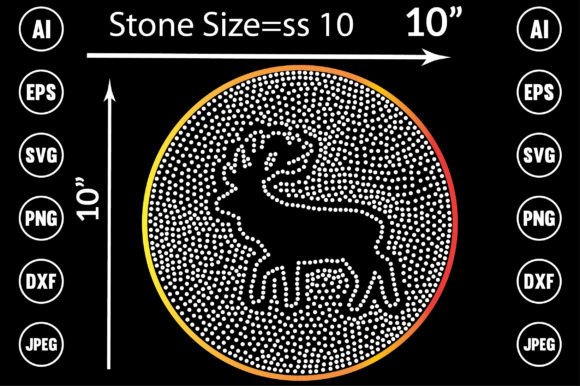
When I first opened the preview files for the Deer Rhinestone Design, the initial mood struck me as rustic yet modern. The silhouette of the deer is clean, avoiding the overly intricate detailing that often plagues low-resolution digital embroidery file downloads. In the context of T-Shirt Designs and general Graphics, simplicity is usually a virtue because it ensures scalability. However, since this is specifically a rhinestone template, the focus shifts from thread texture to adhesive placement and stone visibility.
The layout feels balanced, which is crucial for center-chest applications on custom apparel. There is a natural symmetry to the antlers and body that suggests it would work exceptionally well as a focal point rather than a background pattern. For a small business owner looking to create a cohesive brand identity, this type of design assets provides a strong visual anchor. It evokes a sense of nature and tranquility, making it suitable for fall collections, holiday gifts, or even everyday casual wear.
Real-World Application: From File to Fabric
To truly understand the value of this embroidery project, I imagined a specific scenario: preparing a high-quality canvas tote bag for a local craft fair. Tote bags are a staple for Etsy sellers and boutique owners because they offer a large, flat surface area. When mapping out the Deer Rhinestone Design on a 12x12 inch canvas, the scale felt appropriate. The design does not appear too small, which is a common issue with many downloadable templates.
If I were adapting this for sweatshirt embroidery, I would consider using a combination of techniques. While the primary intent is rhinestone application, the underlying vector lines could be traced with a satin stitch border to add depth before applying the stones. This hybrid approach elevates the perceived value of the finished product. Customers today expect a tactile experience; a flat bed of glue and stones can sometimes feel cheap if not executed perfectly. By integrating a subtle thread outline, the Deer Rhinestone Design gains dimension and durability.
For those creating personalized gift items, such as baby blankets or nursery decor, the gentle curves of the deer make it an ideal choice. Unlike sharp, aggressive geometric shapes, this organic form softens the aesthetic of a room. However, one must be careful with the substrate. On textured fabrics like fleece or chenille, the adhesion of rhinestones can be tricky. The uneven surface might prevent the stones from sitting flush, leading to premature loss during washing.
Navigating Technical Challenges and Limitations
While the versatility of the included file formats—AI, EPS, SVG, and DXF—is excellent for professional workflow, there are specific scenarios where caution is required. If you plan to use the Deer Rhinestone Design on a curved surface like a cap or a baseball hat, the geometry of the deer's antlers might present challenges. Curved surfaces distort the perception of straight lines, and complex branching shapes can look distorted if the design is not resized correctly for the curvature.
Another critical consideration is stitch density if you choose to embroider parts of the design alongside the stones. Dense areas in the deer's body could cause puckering on thin fabrics like jersey knit or rayon. Always test the design on scrap fabric first. Check the thread colors against your base material to ensure sufficient contrast. A light gray deer on a heather gray sweatshirt will lack the pop needed to grab customer attention.
Furthermore, for products requiring frequent washing, such as kitchen towels or aprons, the longevity of the rhinestone application is paramount. Standard hot glue may fail after several cycles. As a professional reviewer, I recommend using a heat-activated adhesive film or a specialized rhinestone setting machine for these items. The Deer Rhinestone Design is beautiful, but its lifespan depends entirely on the quality of the materials used to secure it.
Business Value and Commercial Viability
From a commercial perspective, this design holds significant potential for craft business owners. The "deer" motif is evergreen, particularly in North American markets where woodland themes remain popular year-round. Whether selling as a standalone embroidered patch or as part of a larger handmade product line, the recognition factor is high. It fits seamlessly into holiday collections, wedding favors, and personalized merchandise.
For the Etsy seller, having a high-resolution digital embroidery file allows for rapid prototyping. You can quickly generate printable mockup images to showcase how the design looks on various garments without physically producing every variation. This speeds up the listing process and improves buyer engagement by providing clear visual expectations. However, always confirm the licensing terms before selling finished items or reselling the digital file itself. The description mentions an instant download, but commercial rights for the final goods should be verified to avoid legal issues.
Final Designer Notes and Recommendations
In conclusion, the Deer Rhinestone Design is a solid addition to any creative entrepreneur's library. Its clean lines and adaptable format make it a reliable choice for both hobbyists and professionals. To get the most out of this asset:
- Test on Scrap Fabric: Always run a trial on a piece of the actual fabric you intend to use to check for adhesion and alignment.
- Check Stabilizer Needs: Even for rhinestone templates, a stabilizer underneath can prevent fabric distortion during the application process.
- Review Hoop Size: Ensure your hoop accommodates the full width of the deer, especially the antlers, to avoid cutting off details.
- Compare Backgrounds: Test the design in black and white mockups to see how it reads on dark versus light fabrics before committing to production.
- Verify Licensing: Double-check the terms of the ZIP folder contents regarding commercial use for commercial embroidery projects.
Ultimately, the success of this design lies in execution. It provides a strong foundation, but the final quality rests on your choice of materials and technique. Whether you are crafting a unique holiday embroidery piece or building a line of small shop product merchandise, the Deer Rhinestone Design offers the flexibility and visual appeal needed to stand out in a crowded market.