Forget the Bunnies Easter Sublimation Review
As a designer who has spent years navigating the intersection of digital art and physical stitching, I approach every new machine embroidery design with a critical eye. The market is flooded with generic holiday patterns, but finding a piece that truly translates from a screen to fabric requires careful evaluation. Recently, I examined Forget the Bunnies Easter Sublimation, a file marketed as a high-quality vector for T-Shirt Designs. While the title suggests sublimation, my focus here is on how this specific graphic performs when adapted for real-world embroidery projects, particularly for small business owners and crafters looking to elevate their seasonal offerings.
First Impressions: Mood and Visual Personality
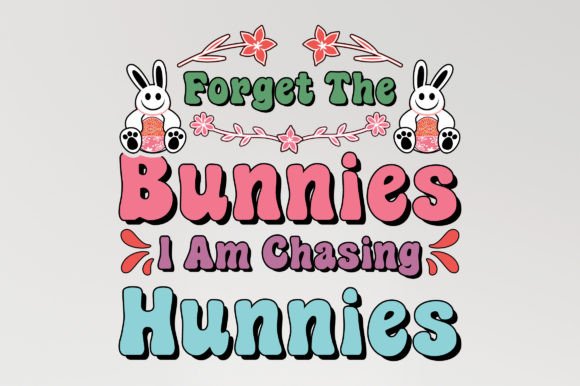
The first thing that strikes you about Forget the Bunnies Easter Sublimation is its departure from the traditional pastel palette and fluffy rabbit motifs we see everywhere in April. The design carries a bold, modern energy. As a Graphics asset, it relies on strong lines and distinct shapes rather than intricate, tiny details that often get lost in thread. This is a crucial observation for any embroiderer. When you are converting a digital file into a stitch plan, clarity is king. The layout feels balanced, suggesting it would work exceptionally well as a central focal point on a garment or home decor item without overwhelming the viewer.
For an Etsy seller or boutique owner, this visual personality is a significant asset. It signals a shift toward contemporary holiday style. Instead of the expected "cute," this design offers something slightly edgier, which can help a handmade product stand out in a crowded marketplace. The mood is celebratory yet sophisticated, making it suitable for both children's items and adult apparel.
Real-World Application: From File to Fabric
Let’s talk about a practical scenario. Imagine you are preparing a custom embroidered tote bag for a spring craft fair. You need a design that pops against canvas and holds up to daily wear. If you were to digitize Forget the Bunnies Easter Sublimation for this project, the strong outlines would likely translate beautifully into a satin stitch border, while the interior areas could be filled with a dense fill stitch. The result would be a durable, textured badge that adds immediate value to the finished product.
I also envision this design on a heavyweight sweatshirt. For sweatshirt embroidery, you need a motif that doesn't distort the fabric. Because the original file is provided as a 2000 Px 2000 Px Illustrator CC EPS 3 vector, it scales cleanly. This means you can enlarge it significantly without pixelation, ensuring that even at a large size, the edges remain crisp. This scalability is vital for commercial embroidery where consistency across different sizes is non-negotiable. Whether you are creating a limited run of hoodies or a single personalized gift, the design maintains its integrity.
Consider the application on baby items. Baby embroidery requires softness and safety. The lack of overly complex, scratchy textures in the design concept makes it a safe bet for onesies or bibs. However, because the source is a vector intended for sublimation, you must ensure your digitizing process accounts for the stretch of knit fabrics. A proper stabilizer choice will be essential here to prevent puckering around the bold lines of the artwork.
Navigating Challenges and Limitations
While the potential is high, there are specific situations where Forget the Bunnies Easter Sublimation requires careful handling. First, consider the hoop size. Although the vector is large, if you attempt to shrink it down for a small cap or a narrow cuff, you risk losing the impact of the design. Tiny lettering or fine details within the graphic might become indistinguishable after stitching. Always test the design in black and white mockups before committing to expensive thread.
Fabric texture is another variable. On highly textured fabrics like heavy denim or thick fleece, the smooth lines of the design might get lost in the weave. Conversely, on very thin or sheer materials, the density required to make the design visible could cause transparency issues. You must review the stitch density carefully during the digitizing phase. If the fill is too tight, the fabric may pucker; too loose, and the backing shows through.
Furthermore, dark fabrics present a challenge. Since the original description highlights a vector file, color contrast is key. If you are embroidering on black cotton, you cannot simply rely on light thread colors; you may need to add a layer of underlay or use a applique design technique to create a solid background for the text or shapes. Without this preparation, the design might look muddy or faded on darker garments.
Impact on Brand and Customer Perception
Using a unique design like Forget the Bunnies Easter Sublimation directly affects customer trust and brand consistency. In the world of handmade products, professionalism is everything. A design that looks clean, intentional, and high-quality tells the buyer that you care about the details. It elevates a simple T-shirt into a collectible item. For a craft business, this distinction can mean the difference between a one-time purchase and a loyal repeat customer.
When selling on platforms like Etsy, buyers often zoom in on photos to check the quality of the stitching. If your embroidery project features clear lines and vibrant thread colors that match the original vision of the digital embroidery file, it builds confidence. Customers want to know that their personalized gift will look exactly as pictured. By choosing a design with strong visual appeal, you reduce the risk of returns and negative reviews related to poor execution.
Practical Designer Notes for Success
Before you commit to production, follow these steps to ensure the best results with this design:
- Test on Scrap Fabric: Never skip this step. Run a test stitch on the exact material you plan to use. Check for puckering, tension issues, or skipped stitches.
- Check Thread Contrast: Ensure the thread colors you select provide enough contrast against the fabric background. What looks good on a screen might not pop on wool or linen.
- Verify Hoop Size: Confirm that your machine hoop can accommodate the full design width and height without cutting off important elements.
- Inspect Small Details: Zoom in on the vector file to identify any lines that are too thin for standard embroidery thread. These may need to be widened during digitizing.
- Use Proper Stabilizer: Select a stabilizer appropriate for your fabric weight. A tear-away might suffice for stable wovens, but a cut-away is often better for knits used in custom apparel.
- Review Licensing: The product description mentions receiving one Eps File. Before selling finished items or using this as a design asset for commercial resale, confirm the licensing terms allow for commercial embroidery projects.
In conclusion, Forget the Bunnies Easter Sublimation offers a refreshing take on holiday decor. It is not just another generic pattern; it is a versatile tool for designers willing to put in the work to adapt it correctly. By understanding its strengths and limitations, you can create finished products that resonate with customers and stand the test of time. Whether for a holiday embroidery collection or a special client order, this design has the potential to be a standout piece in your portfolio, provided you treat it with the professional care it deserves.